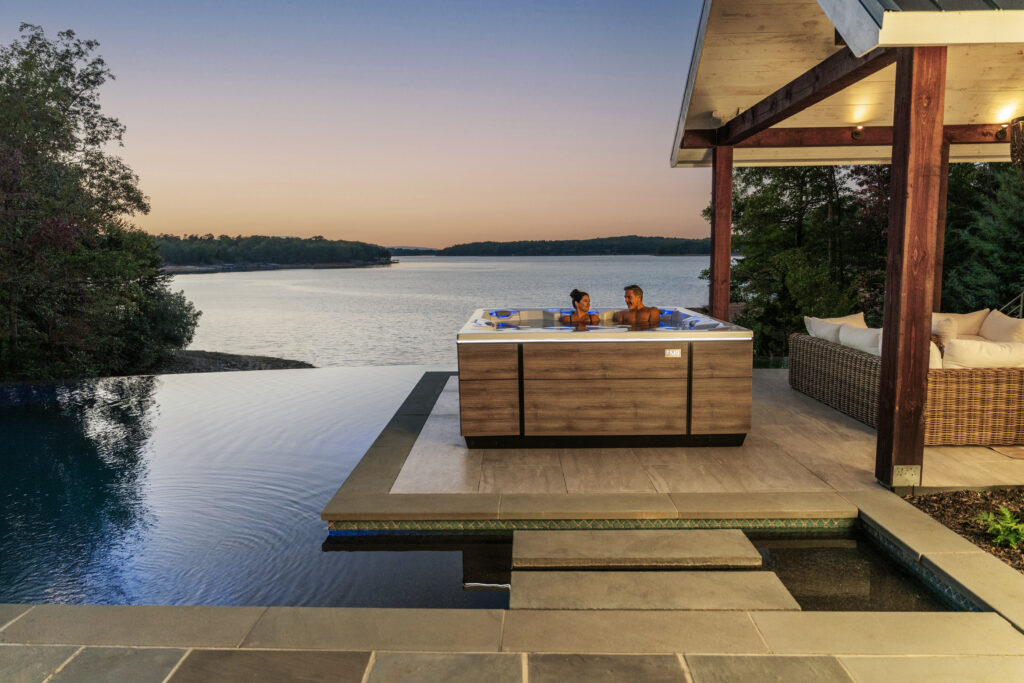
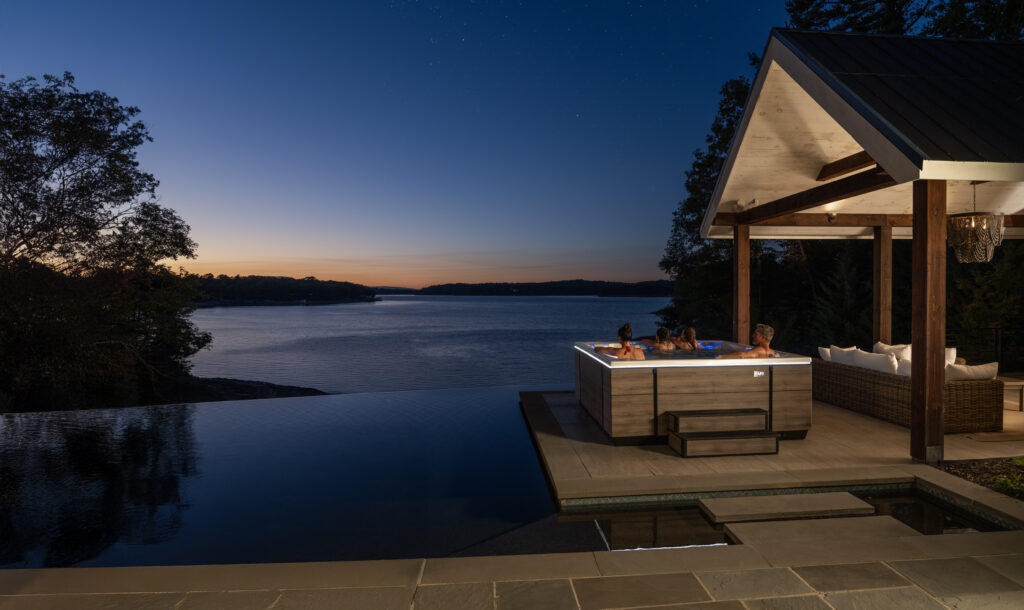
 In Maine, some of the things we value most aren’t things at all. They’re experiences—space, stillness, and a few quiet minutes at the end of the day.
In Maine, some of the things we value most aren’t things at all.
They’re experiences.
Space.
Stillness.
A few quiet minutes at the end of the day.
When people first begin shopping for a hot tub, they usually focus on the obvious questions. How many seats? How many jets? Which model? Which features?
Those things matter. They should.
But after more than four decades helping people choose products for their homes, we’ve noticed something interesting:
Many long-term owners talk less about the hot tub itself and more about what happens around it.
The conversations.
The routines.
The feeling at the end of the day.
And often, the quiet.
Most people aren’t shopping for a hot tub because they want more stimulation in their lives.
Usually it’s the opposite.
They’re looking for a place to unwind after work, spend more time outside, reconnect with a spouse, recover from exercise, or simply slow down for a few minutes before bed.
In Maine especially, quiet has a certain value.
It might be wind moving through the trees. Rain on the water. Peepers in the spring. Snow falling on a winter evening. The kind of silence that’s becoming harder to find in everyday life.
A hot tub often becomes part of those moments.
That’s why noise matters more than many buyers initially realize.
A hot tub doesn’t need to be perfectly silent to feel relaxing. Water has a sound. Jets have a sound. That’s part of the experience.
But there’s a difference between a spa that blends into the background and one that constantly reminds you it’s running.
Over time, many owners become surprisingly aware of things they barely considered during the buying process: pump vibration, mechanical hum, cabinet resonance, or water features that sounded impressive in a showroom but feel distracting at home. What Most First-Time Buyers Don’t Know (Until It’s Too Late)
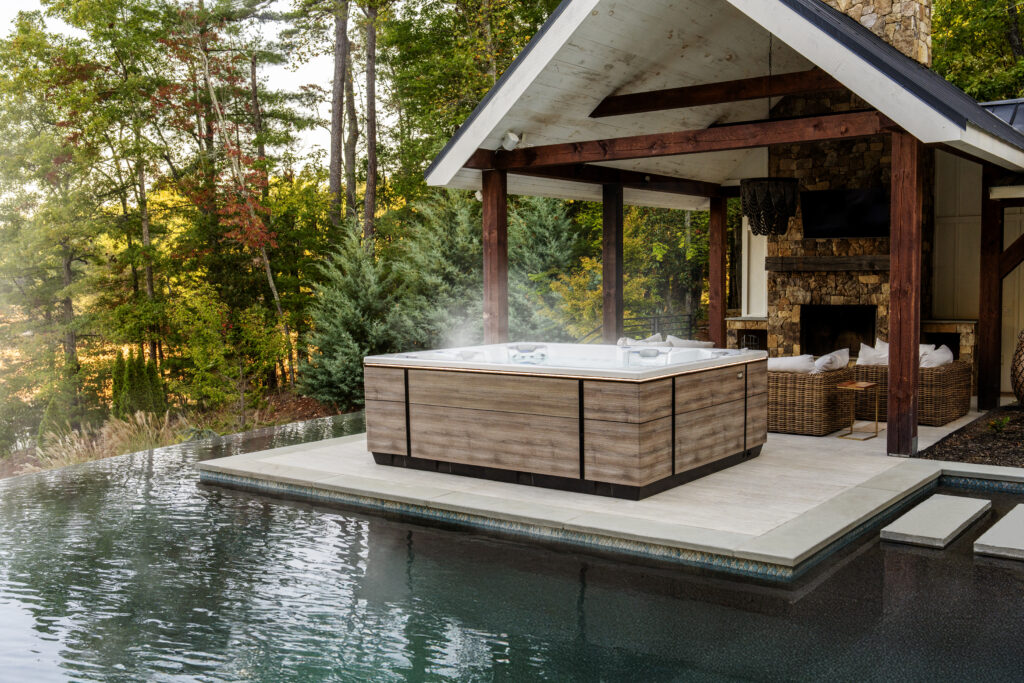 The atmosphere around a spa matters.
If you’re hoping to hear conversation clearly, enjoy the outdoors, or simply sit quietly with your thoughts for a few minutes, excessive noise can change the feeling of the entire space.
This is especially true in Maine.
Many of the people we work with live on wooded lots, near the water, or in neighborhoods where privacy and peaceful outdoor living are part of daily life. Their spa isn’t just a place to entertain guests. It’s a place they return to throughout the year—after skiing, after a long day of work, on dark winter evenings, or under a sky full of stars.
The quieter the experience feels, the more naturally it becomes part of everyday life.
Of course, some of this comes down to engineering.
Build quality, insulation, cabinet construction, plumbing design, pumps, and jet systems all contribute to how a hot tub sounds during operation.
One reason many homeowners are drawn to Bullfrog Spas is their thoughtful approach to design. Bullfrog’s JetPak® Therapy System uses less internal plumbing than many traditional hot tubs, helping reduce vibration while also improving efficiency and serviceability.
But the deeper point isn’t about specifications.
It’s about experience.
The best hot tubs don’t become the center of attention every time you use them.
They become part of the background.
Part of a routine.
Part of home.
One of the reasons we encourage private test soaks is that some of the most important differences between hot tubs are difficult to evaluate from a brochure. Comfort. Seat depth. Jet feel. And yes, sound.
Two spas may look similar on paper but feel very different once you spend time in them.
Because in the end, the best hot tub usually isn’t the one with the longest feature list.
It’s the one that creates a space you genuinely want to return to again and again.